AIRSPACE SECURITY
Detect unauthorized drones early, locate drones and their pilots, and give your team time to respond — around prisons, critical infrastructure and public events.
PUBLIC SAFETY FOCUSED • 90+ YEARS COMBINED LEADERSHIP EXPERIENCE • FBINAA ALLIANCE PARTNER • MISSION-FOCUSED TECHNOLOGY
Drone Detection for Public Safety
Drones are cheap. The risks aren't.
Small drones can carry contraband over prison walls, surveil sensitive sites, disrupt large events and threaten critical infrastructure. Most facilities have no way to see them coming until it's too late to respond.

CRITICAL INFRASTRUCTURE
Protect Sensitive Sites
Monitor the airspace over utilities, government buildings and other sensitive sites to spot surveillance flights and potential threats in real time.
Best Fit: utilities, government facilities, data centers.
PRISONS AND JAILS
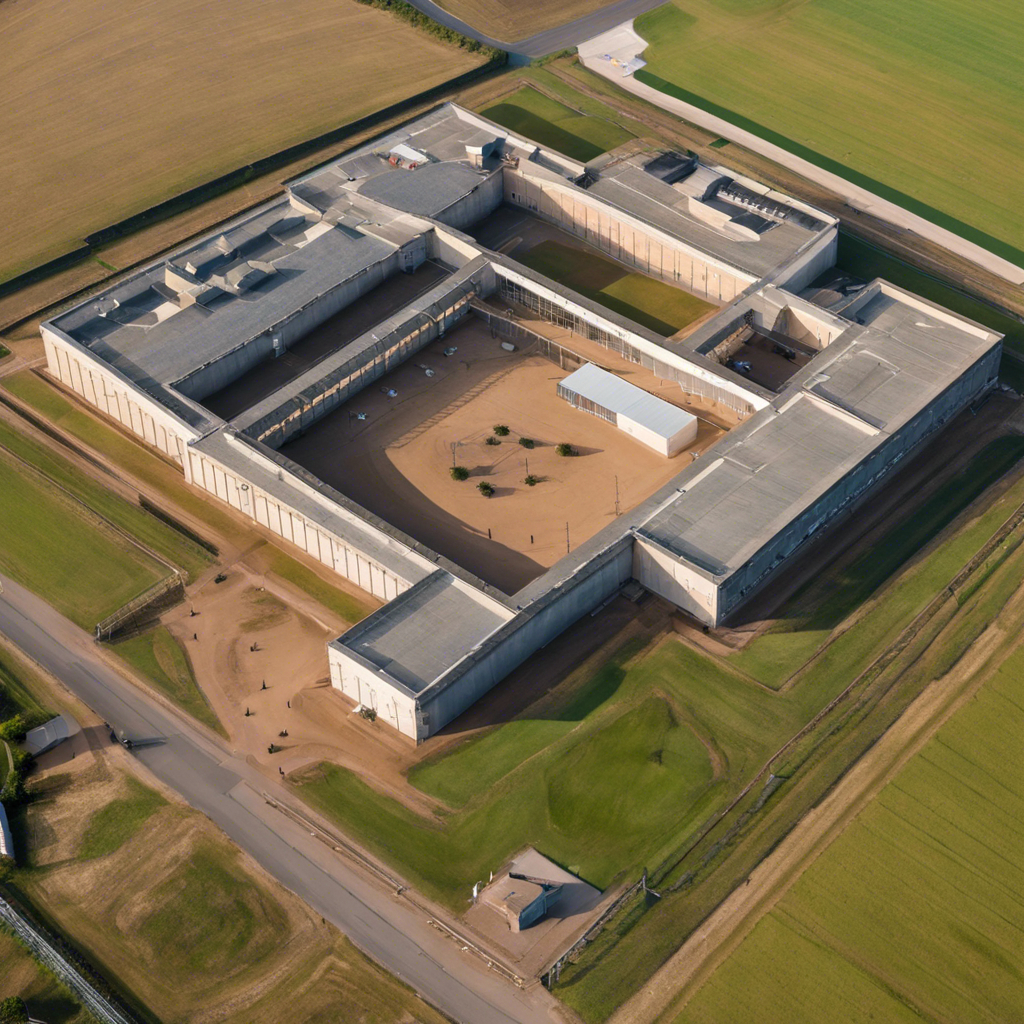
Stop Contraband Drops
Get early warning of drones approaching your facility so staff can respond before contraband reaches inmates.
Best Fit: state prisons, county jails, juvenile facilities.

EVENTS AND VENUES
Secure Crowds and Events
Track drone activity around stadiums, parades and large gatherings so command staff can identify and respond to unauthorized flights.
Best Fit: stadiums, parades, VIP and dignitary visits.
PILOT LOCATION
Find the Operator
Many detection systems locate both the drone and its controller, giving officers a place to respond and a lead for investigation.
Best Fit: patrol response, investigations, enforcement.
WHY TGR
Airspace awareness built for public safety.
How does it work?
TGR Technologies helps agencies and facility operators choose and deploy drone detection that fits their site — from fixed sensors protecting a prison perimeter to portable kits for special events. We focus on passive detection and support your team from site assessment through training.
Detect: passive sensors listen for drone signals and Remote ID broadcasts around your site.
Identify: the system classifies the drone and flags unauthorized activity.
Locate: see the drone's position — and often the pilot's — on a live map.
Respond: alerts reach your team so officers can respond and document the incident.
Detection is passive: it monitors the airspace without jamming or taking control of drones. Your team gets early warning and evidence to respond through normal law-enforcement channels.